
- Home
- Serengeti Migration Safari
Serengeti Migration Safari
Serengeti Wildebeest Migration
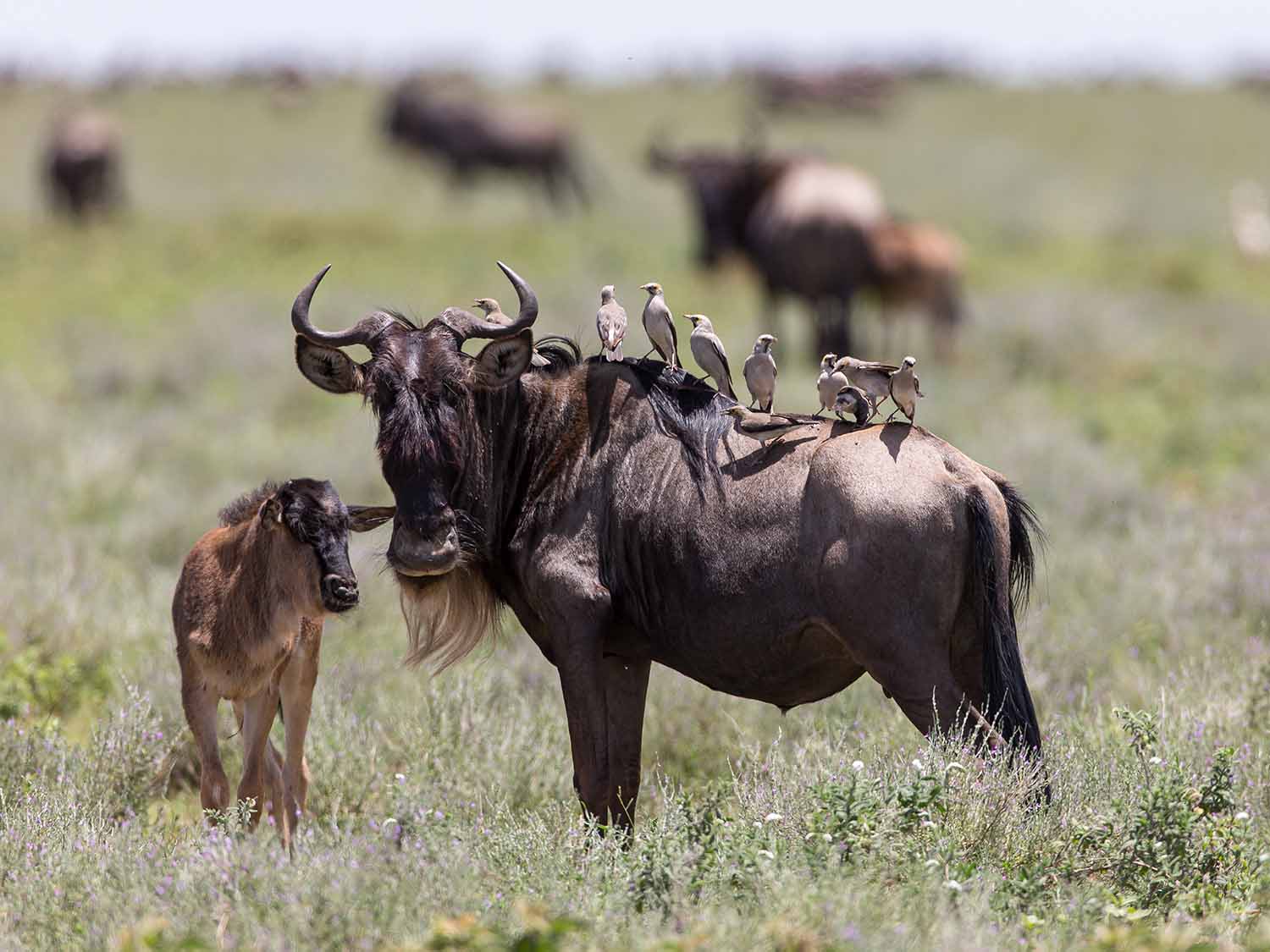
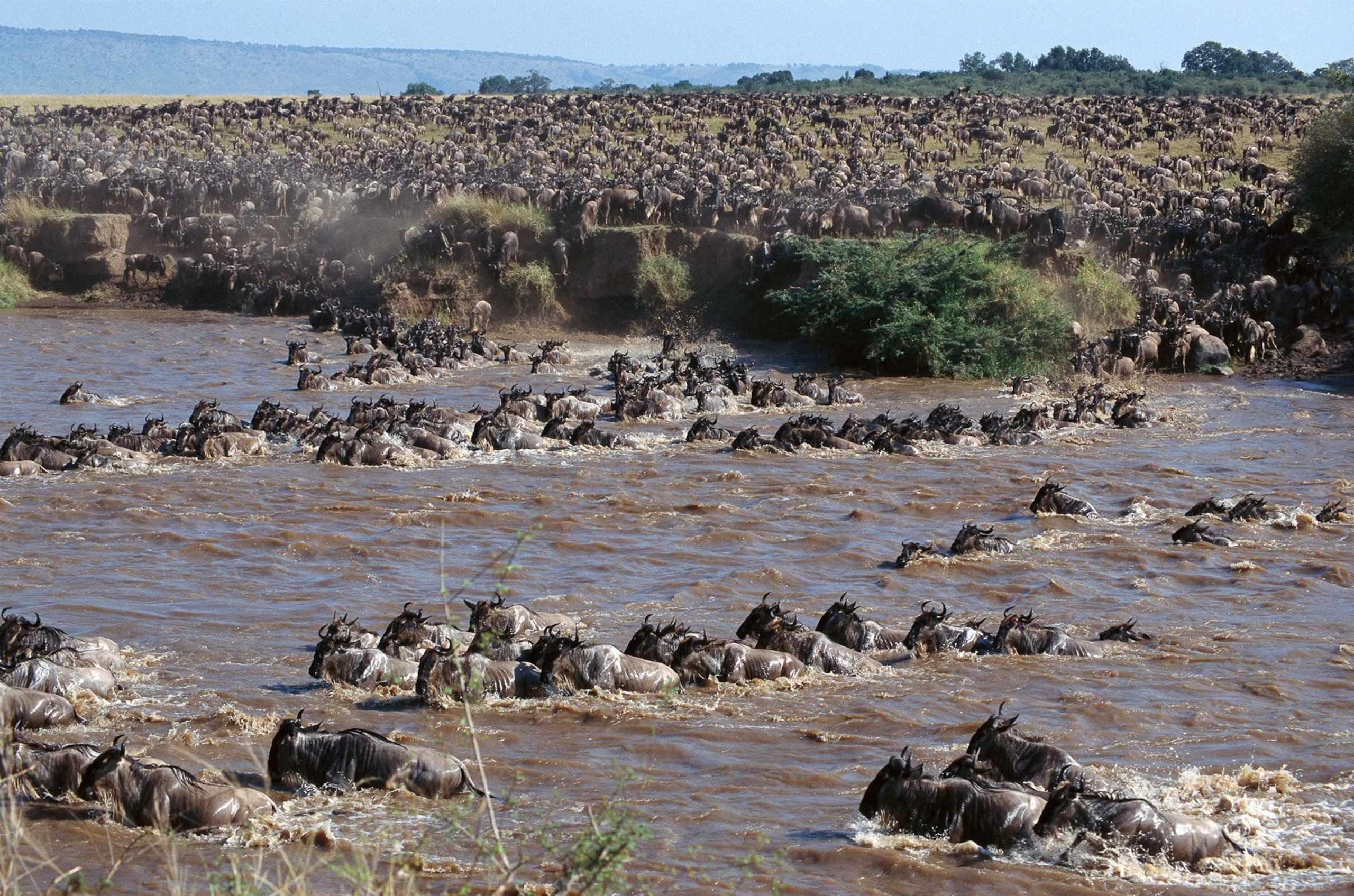
The Serengeti Wildebeest Migration stands as one of the most awe-inspiring natural events on the planet, drawing wildlife enthusiasts and travelers from every corner of the world. Every year, more than two million wildebeest, accompanied by zebras and gazelles, embark on an extraordinary journey across the vast Serengeti plains, driven by the quest for fresh grazing pastures. This remarkable migration is a stunning display of nature’s raw power, highlighting the survival instincts of these resilient animals. Along the way, they encounter perilous river crossings where crocodiles lie in wait, and the ever-present danger of predators stalking from the tall grass. Witnessing the thundering herds of wildebeest, accompanied by the chorus of the African wilderness, is a breathtaking experience that stirs the soul. The Serengeti Wildebeest Migration offers a powerful reminder of the circle of life and the intricate, fragile balance of the natural world, leaving an indelible mark on all who are fortunate enough to witness it.
When to see the Migration?
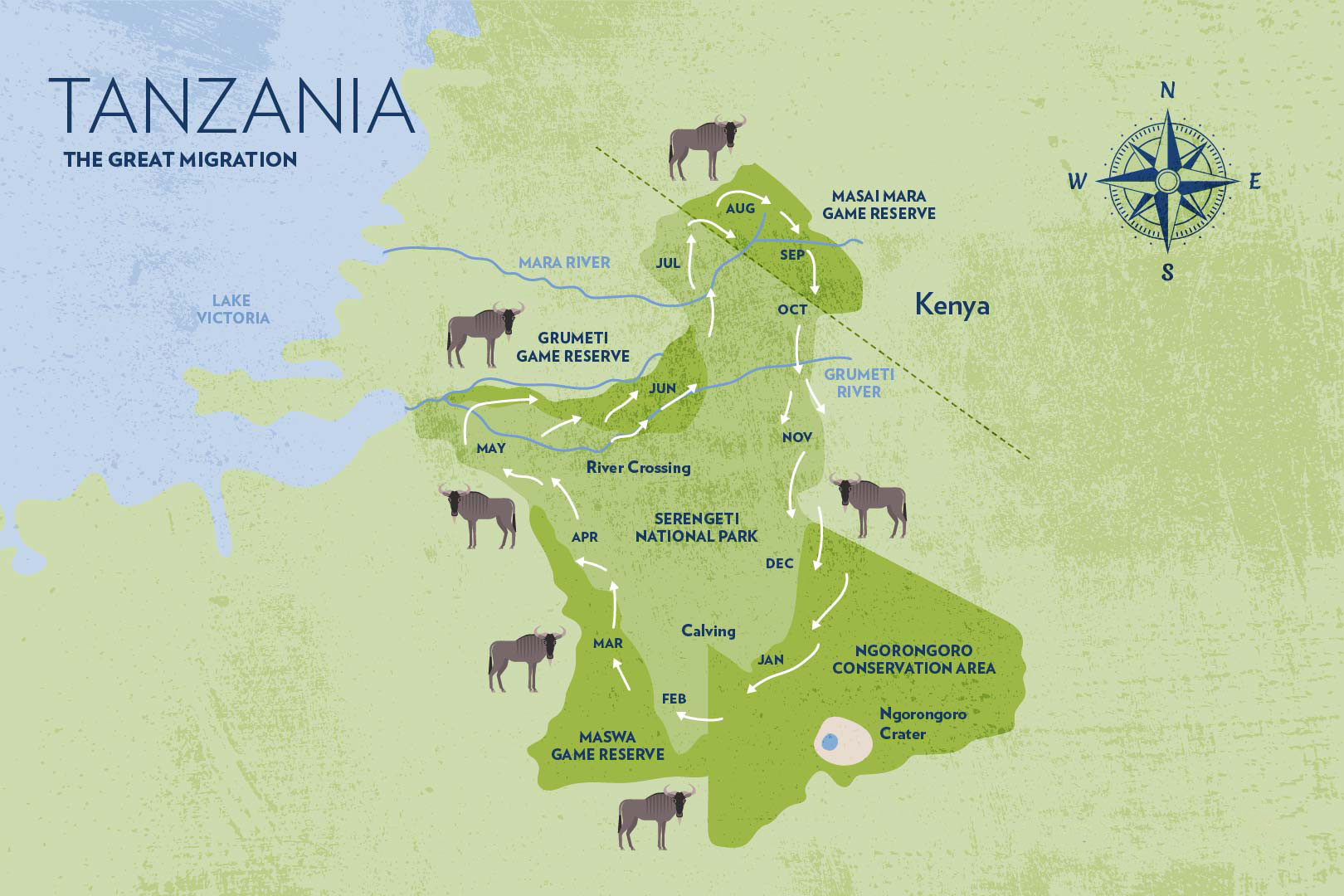
The Serengeti Migration happens all year in Serengeti National Park, offering different wildlife experiences in every season. From July to October, huge herds gather in the north for the famous Mara River crossings. Between December and May, the southern plains become a calving ground where thousands of wildebeest give birth. From May to July and October to January, the herds move in smaller groups across different parts of the Serengeti as they continue their journey. Along the way, safaris often pass through other parks, making the journey to the Serengeti even more enriching.
Why do wildebeest migrate?
The wildebeest migration is a remarkable and essential survival strategy, driven by the quest for fresh grazing grounds and reliable water sources. This annual journey, primarily within the Serengeti ecosystem, is deeply influenced by seasonal rainfall, which dictates grass growth across the region. As the dry season sets in and the available grass starts to wither, wildebeests are compelled to move toward areas where recent rains have nurtured new, lush vegetation, ensuring a continuous supply of food and water.
The migration is crucial for the wildebeests’ survival, as it ensures they have access to the necessary resources to thrive. The timing of their movement aligns with key stages in their calving and reproductive cycles, providing them with the nourishment required during these critical periods. Furthermore, the migration supports the regeneration of the ecosystems they traverse, helping to maintain ecological balance by preventing overgrazing and ensuring no single area becomes overcrowded. This dynamic movement is not just a survival tactic—it is a key driver in sustaining the Serengeti’s intricate environmental harmony.
Inspiring Sample Tours
You are welcome to tailor our trip options to your own interests. While these carefully chosen ideas will serve as a starting point, keep in mind that your path will be entirely unique to you.
- 7 Days
- Private Tour
$ 4,360 per person
This 7-day journey is one of the most exclusive safari
- 4 Days
- Private Tour
$ 2,420 per person
This 4-day safari is a powerful introduction to the wild
- 5 Days
- Private Tour
$ 2,820 per person
This 5-day safari combines two completely different ecosystems into one
- 7 Days
- Private Tour
$ 3,400 per person
Create family memories that will be cherished for generations. This
- 4 Days
- Private Tour
$ 2,610 per person
Pressed for time but dreaming of an authentic African safari?
- 6 Days
- Private Tour
$ 3,180 per person
For the traveler who seeks a connection that goes beyond
Experiences
We design personalized Tanzania safaris based on your interests, whether wildlife, culture, adventure, or special occasions. Enjoy tailored itineraries featuring game drives, cultural experiences, and comfortable lodges or luxury camps for a truly unforgettable journey.